
Many parents want their children to speak Vietnamese – to talk with grandparents, keep a connection to their roots, or simply grow up bilingual. The hard part is that kids abroad hear English (or French, German, Korean…) all day at school. This guide collects practical ways to teach kids Vietnamese at home, with a focus on ages 4–7, when children learn sounds and letters fastest.
1. Speaking comes first
Reading and writing only stick when a child already has some spoken Vietnamese. Ideas that work for many families:
- One place, one language: Vietnamese at home, the local language outside.
- One parent, one language: in mixed families, the Vietnamese-speaking parent always uses Vietnamese with the child.
- Fixed Vietnamese moments: dinner, bedtime stories, weekend video calls with grandparents.
- Recast instead of correct: if your child says “Mẹ ơi, I want water”, answer “À, con muốn uống nước hả?” – they hear the right sentence without feeling corrected.
2. Teaching kids to read Vietnamese
Vietnamese uses the Latin alphabet, so kids who know English letters have a head start – but they will read letters with English sounds unless you teach the Vietnamese ones. A simple order:
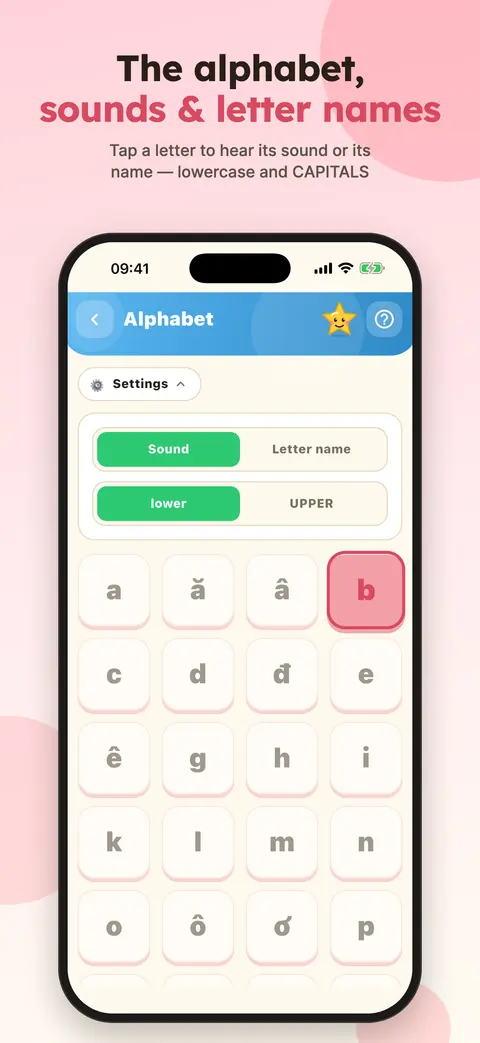
- The alphabet. Focus on letters that differ from English: ă, â, đ, ê, ô, ơ, ư. Our Vietnamese alphabet chart has audio for every letter.
- The six tones. Completely new for children who only speak non-tonal languages. Use hand movements: up for sắc, down for huyền. See Vietnamese tones explained.
- Syllables. Every syllable is initial + rhyme + tone, and spelling is very regular – once kids learn the pattern, they can sound out almost anything. See how to read Vietnamese.
- Short readings about family, food and animals – words they use every day.
3. Make Vietnamese useful and fun
Kids keep a language when it does something for them:
- Video calls with grandparents – ask them to tell a story or quiz your child on new words.
- Vietnamese songs and picture books at bedtime.
- Cook together and name the dishes and ingredients: phở, chả giò, bánh xèo.
- Celebrate Tết and the Mid-Autumn Festival – perfect moments for new words and stories.
- Find a Vietnamese weekend class or other Vietnamese families nearby if your city has a community.
4. Vietnamese worksheets and printables
Children aged 4–7 learn a lot by tracing and drawing. Short, regular worksheets work better than long sessions:
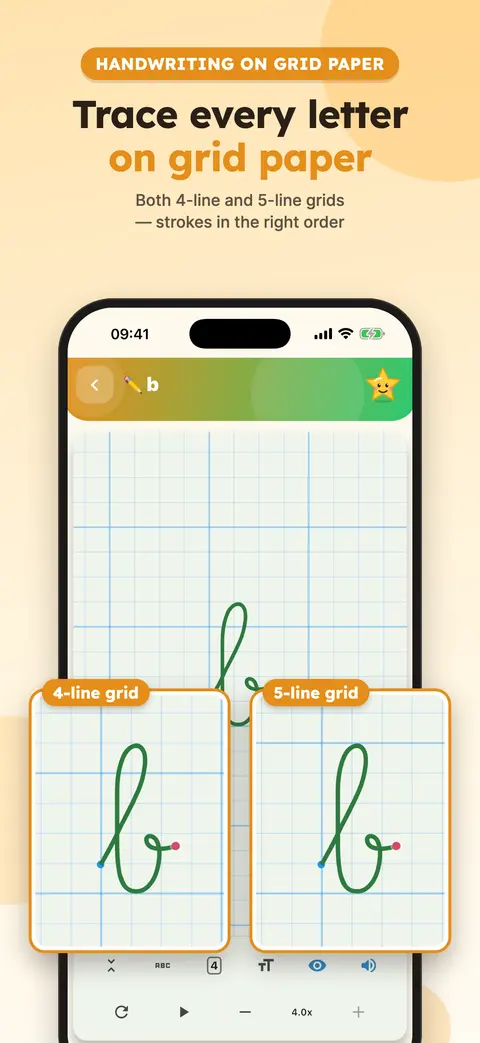
- Tracing letters over dotted lines on a handwriting grid.
- Matching pictures to words and letters to sounds.
- Filling in the missing letter or tone mark.
The ABC Viet English–Vietnamese workbook puts all of this in order: 168 lessons, each with a Learn sheet and a Practice sheet, with instructions in English. It also exists in Chinese, Korean, Japanese, French, German, Russian, Thai and Hindi editions for mixed-language families.
5. A 15-minute daily routine
| Day | Activity (about 15 minutes) |
|---|---|
| Monday | Learn two new letters; find things at home that start with them |
| Tuesday | Review with a game in the app |
| Wednesday | Practise the six tones with hand movements |
| Thursday | One worksheet: trace and match |
| Friday | Read a very short story together |
| Weekend | Video call with family; tell them one thing about the week in Vietnamese |
Consistency beats intensity: 15 minutes a day works far better than two hours once a month.
6. Choosing a Vietnamese learning app for kids
When you compare apps, look for:
- Native audio – ideally with the accent your family speaks.
- Reading and writing, not only vocabulary. Many apps teach words with pictures but never teach kids to read.
- Short lessons suited to a young child’s attention span.
- Instructions a parent can follow if your own Vietnamese is limited.
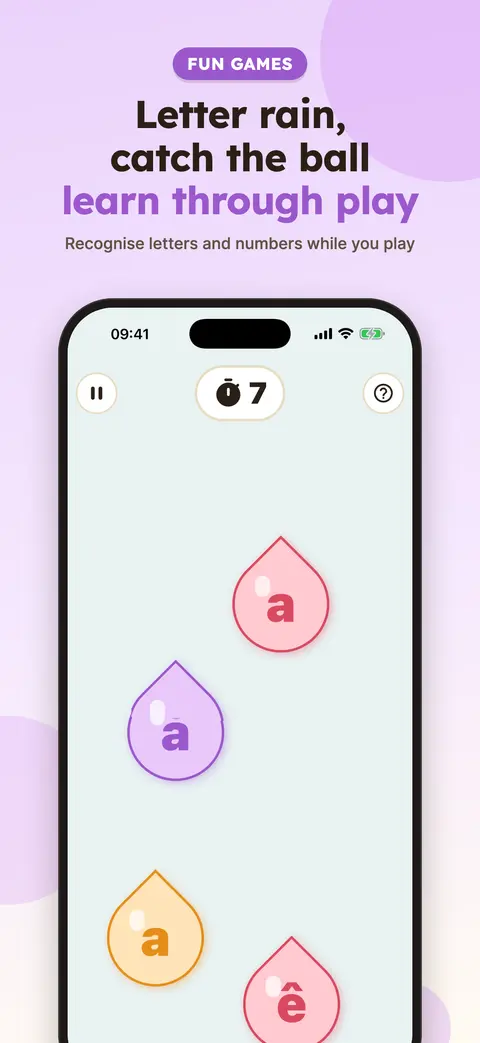
ABC Viet was built for exactly this: it teaches Vietnamese from the alphabet up, follows the Vietnamese first-grade curriculum, has Northern and Southern voices, games for 4–7 year-olds, handwriting practice, and instructions in 10 languages. The beginner course is free. For a wider comparison, see best apps to learn Vietnamese.
FAQ
What is the best age to start teaching a child Vietnamese?
As early as possible for speaking – babies and toddlers pick up the sounds and tones naturally. Reading and writing usually start around 5–6, the same age Vietnamese children begin learning letters before first grade.
I don't speak Vietnamese well. Can I still teach my child?
Yes. Learn alongside your child: tap the audio on lessons, let a native voice model the pronunciation, and use bilingual materials with instructions in your language. Grandparents and video calls help with speaking practice.
Should my child learn Northern or Southern Vietnamese?
Follow the accent of your family so your child can talk naturally with relatives. Spelling is the same everywhere; the ABC Viet app has both a Northern and a Southern voice.
Will learning Vietnamese confuse my child's English?
Mixing languages for a while is a normal part of growing up bilingual. If you have concerns about your child's speech development, talk to your paediatrician or a speech-language professional.